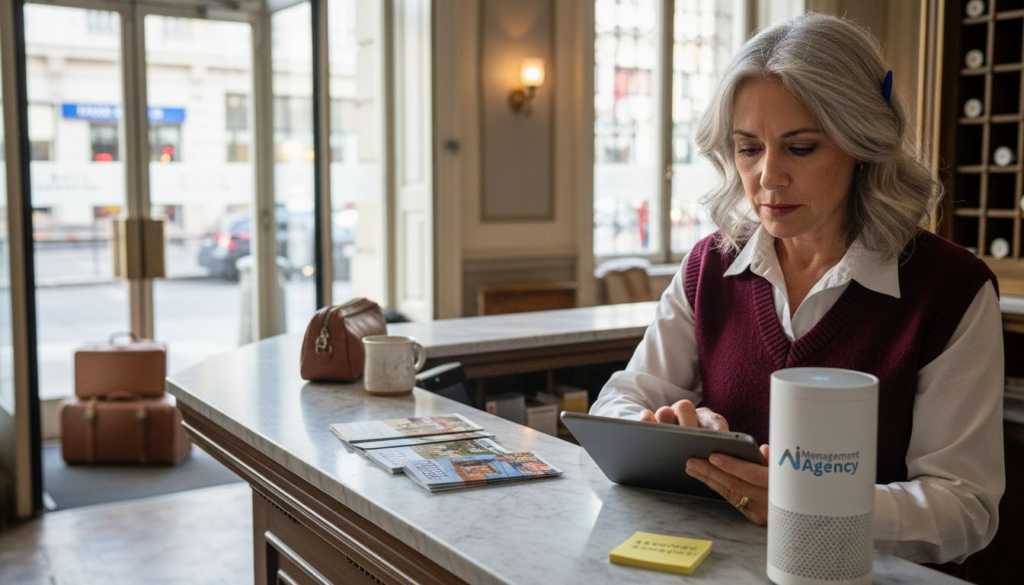
Understanding AI in Customer Interactions
Artificial Intelligence (AI) has transformed the landscape of customer interactions, particularly in the hospitality sector. By leveraging AI technologies, boutique hotels can enhance guest experiences, streamline operations, and provide personalized services that cater to individual preferences.
For instance, AI-driven chatbots can assist guests with inquiries in real-time, while machine learning algorithms analyze customer data to predict future needs. This proactive approach not only improves customer satisfaction but also fosters loyalty, making guests feel valued and understood.
Benefits of AI for Boutique Hotels
Implementing AI solutions in boutique hotels offers numerous benefits, including increased efficiency and improved customer engagement. AI tools can automate routine tasks, allowing staff to focus on providing high-quality service and creating memorable experiences for guests.
Additionally, AI can analyze guest feedback and behavior, enabling hotel managers to make data-driven decisions that enhance service offerings. For example, personalized recommendations based on past stays can lead to higher booking rates and guest satisfaction.
Key Features of AI Customer Interaction Tools
AI customer interaction tools come equipped with various features designed to optimize communication and engagement with guests. These tools often include voice recognition, automated appointment scheduling, and lead capture functionalities, making it easier for hotels to manage customer interactions effectively.
Moreover, advanced analytics provided by these tools can help identify trends and patterns in customer behavior, allowing hotels to tailor their marketing strategies and improve service delivery. This level of customization is crucial in the competitive boutique hotel market.
Future Trends in AI for Hospitality
The future of AI in the hospitality industry looks promising, with emerging trends that will further enhance customer interactions. Innovations such as augmented reality (AR) and virtual reality (VR) are expected to play significant roles in creating immersive guest experiences.
Moreover, as AI technology continues to evolve, the integration of predictive analytics will enable hotels to anticipate guest needs even before they are expressed. This proactive approach will not only enhance customer satisfaction but also set boutique hotels apart in a crowded marketplace.
