Benefits of AI in Customer Service for SMEs
AI technologies significantly enhance customer service by providing timely responses and personalized interactions. Small and medium enterprises can leverage AI tools like chatbots and virtual assistants to handle customer inquiries, ensuring that no question goes unanswered.
For instance, a study revealed that businesses employing AI-driven chatbots saw a 30% increase in customer satisfaction ratings. By automating routine inquiries, SMEs can focus their resources on more complex issues, thereby improving overall service quality and efficiency.
Implementing AI Solutions: A Step-by-Step Guide
Implementing AI solutions in your business can seem daunting, but following a structured approach can simplify the process. Start by identifying the specific areas where AI can add value, such as customer service, sales forecasting, or operational efficiency.
Once you've pinpointed these areas, research and select the right AI tools that fit your business needs. For example, integrating a virtual receptionist can streamline call handling while reducing overhead costs. Training your team to work alongside AI systems is also crucial for maximizing their effectiveness.
Common Challenges in AI Adoption for SMEs
While the benefits of AI are substantial, SMEs often face challenges in adoption, including budget constraints and a lack of technical expertise. These hurdles can hinder the effective implementation of AI technologies.
To overcome these challenges, SMEs can consider partnering with AI management agencies that specialize in tailored solutions. Additionally, investing in employee training can help bridge the knowledge gap, ensuring that staff are equipped to leverage AI tools effectively and drive business growth.
Future Trends in AI for Small and Medium Enterprises
The future of AI in SMEs is promising, with emerging trends that will shape the landscape of business operations. Innovations such as predictive analytics and machine learning are expected to become more accessible, allowing SMEs to make data-driven decisions with ease.
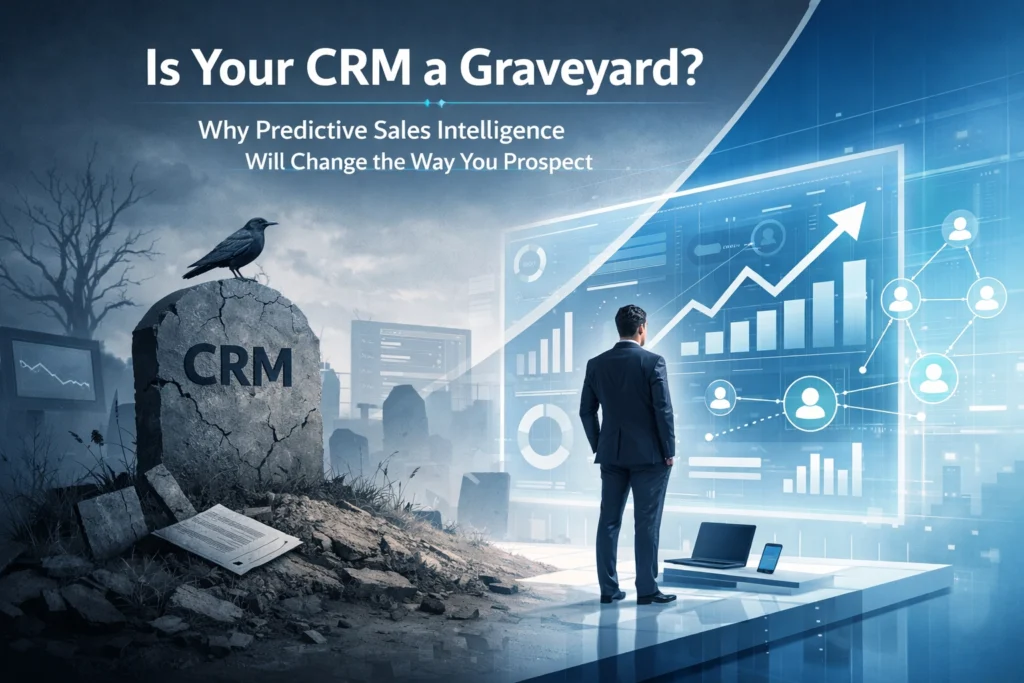
For example, the adoption of AI-driven sales intelligence tools will enable businesses to analyze customer behavior and forecast sales trends more accurately. This proactive approach can lead to improved strategic planning and enhanced competitiveness in the market.